
Are You Using the Best Loudspeakers for Venues in Australia?

Evaluating Loudspeakers for Venues
In the bustling heart of Melbourne's music scene, professionals like yourself often face the critical task of selecting the right loudspeakers for diverse venues. Whether it’s the iconic Melbourne Music Bowl or a more intimate space, understanding key sound engineering techniques and features can make all the difference.
Key Features to Consider
When evaluating loudspeakers, prioritise power handling and frequency response. Opt for speakers with high output capabilities to ensure they cater to the diverse dynamics of live events. The inclusion of adjustable crossovers is a boon for refining sound distribution, ensuring that both bass and treble are crisp and clear. Understanding these features helps in crafting an immersive audio experience, whether you're harnessing the advanced capabilities of an antenna tracking system or exploring the possibilities with a universal remote.
Indoor vs. Outdoor Needs
For outdoor venues like the Melbourne Music Bowl, weather-resistant loudspeakers with wider sound dispersion are essential. In contrast, indoor spaces, akin to the sound studios in St Kilda, require speakers with tight control over sound spread to manage reflections and echo. Balancing these differences ensures optimal sound quality regardless of the setting.
Adapting to Venue Acoustics
Each venue comes with its unique acoustic challenges. Assess the room's natural reverb and adjust accordingly. Acoustic treatment can significantly enhance sound clarity. By investing in data projectors and similar technologies, you can align audio-visual elements seamlessly, resulting in a rich, enveloping experience for the audience.
Maximizing Sound Quality
Positioning for Optimal Audio
Positioning speakers strategically in a venue is essential to achieving excellent sound quality. The placement of your loudspeakers plays a vital role, affecting the audience's overall experience. Consider the venue's unique features, like reflective surfaces and natural acoustics, to minimise issues like echo or feedback. It's similar to how performances at the iconic Melbourne Music Bowl benefit from its open-air design, where sound naturally disperses.
Tuning for Clarity and Depth
Achieving clarity and depth requires precise tuning during setup. Start by assessing the sound dynamics of the venue. Using a spectrum analyser can help identify frequency imbalances, allowing you to adjust equalisation settings effectively. Experience from working in sound studios in St Kilda underscores the importance of continually tweaking settings until the sound reflects the desired depth and clarity.
Integrating Acoustic Panels
Acoustic panels are a powerful tool for controlling sound reflections and reducing unwanted noise. By strategically placing acoustic panels, you can enhance the listener's experience by absorbing excessive reverberation. For live sound settings, this method ensures that the audio remains crisp and undistorted, replicating the finely tuned environments seen in performing arts venues within the Melbourne CBD.
These techniques form the cornerstone of elevating your home entertainment setup. As a live sound specialist, it's crucial to integrate these strategies to create immersive auditory experiences. Whether using a motorised projector screen for visual displays or focusing on sound, the goal remains to engage the audience fully.
Exploring New Technologies
Innovations in Loudspeaker Design
As a live sound specialist, I am constantly on the hunt for the latest innovations in loudspeaker design, which plays a pivotal role in delivering high-quality audio experiences. Recent advancements have made it possible to tailor sound systems to meet specific venue needs, whether it's the vibrant atmosphere of the iconic Melbourne Music Bowl or the more intimate settings of sound studios in St Kilda. For instance, adaptive sound technology uses real-time data to modify audio outputs, ensuring consistent quality across varying acoustic environments.
Wireless vs. Wired Options
Choosing between wireless and wired options hinges on several factors, including flexibility, sound quality, and budget constraints. PTZ cameras are becoming increasingly popular for their ease of installation and ability to streamline venue setups, but wireless loudspeakers offer a comparable advantage by reducing cable clutter and allowing for flexible placement. However, wired systems typically provide a more stable connection and can ensure optimal audio fidelity, which is essential for performances in complex acoustic spaces.
Future Trends to Watch
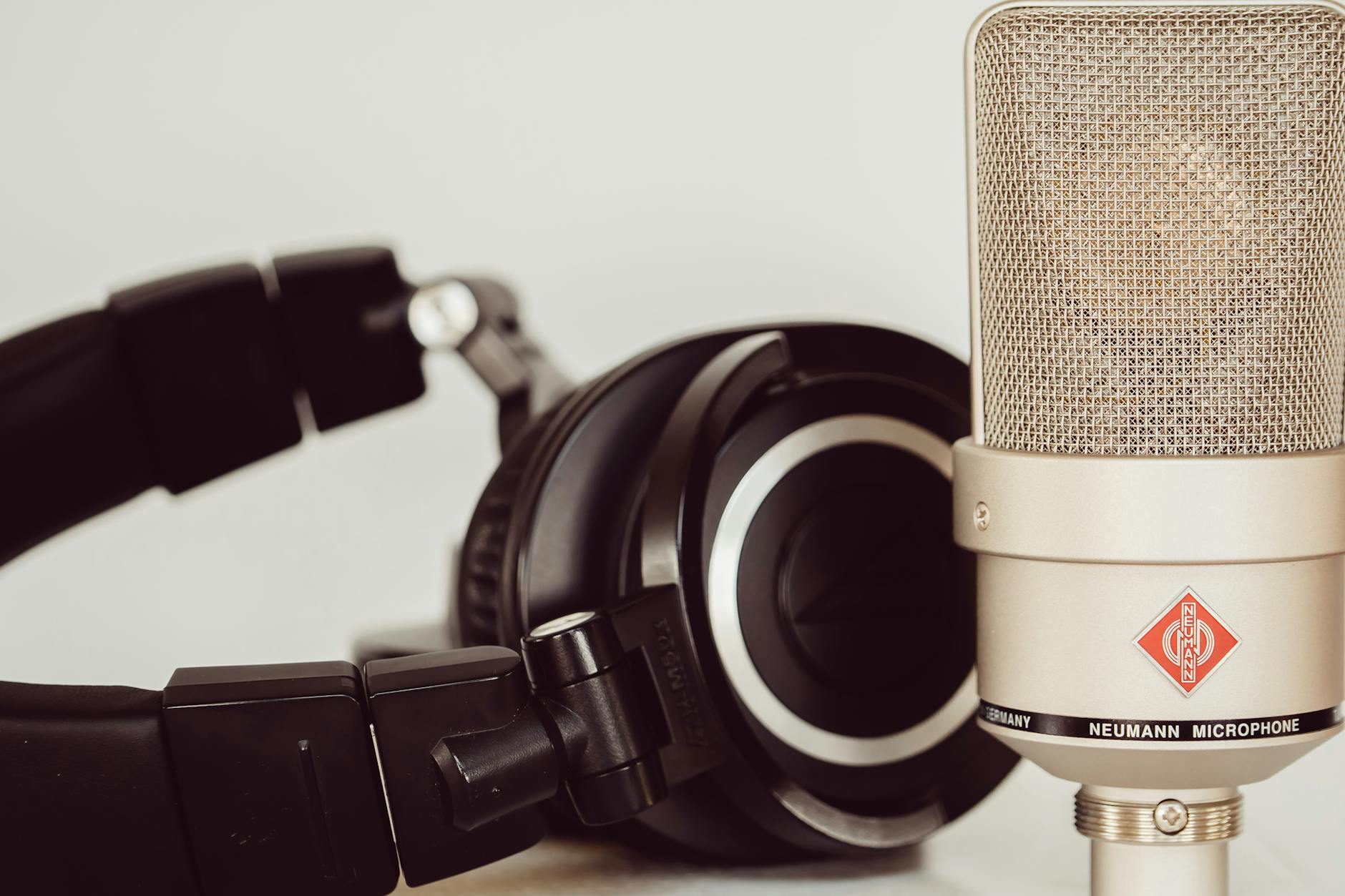
Staying at the forefront of sound technology is crucial for anyone in the field of live sound engineering. Future trends indicate a shift towards more eco-friendly materials and hybrid systems that combine the best of analog warmth with digital precision. Additionally, emerging designs focus on enhancing directivity control and extending frequency ranges, which are essential for maintaining clarity in expansive venues. Equipping yourself with a quality recording microphone and staying updated on these trends empowers you to craft unforgettable auditory experiences for audiences.
Best Practices for Live Events
Preparing for Different Venues
Preparing for live events requires meticulous attention to the distinct attributes of each venue. It's imperative to understand a venue's unique acoustic environment, whether it's a small club or an expansive outdoor setting. Considering factors such as room shape, size, and building materials is crucial when configuring loudspeakers. In historic settings like Melbourne's performing arts venues in the CBD, the challenges often include working within acoustically complex spaces while preserving the venue's cultural integrity.
Maintaining Equipment Performance
Consistency in maintaining your audio equipment is vital for ensuring high-quality sound at every event. Regular testing and calibration, particularly of core elements like the hearing loop, help avoid potential pitfalls during performances. Checking cables, testing backups, and cleaning connectors should be staples in your routine. Additionally, creating a simple checklist can help streamline this process, fostering efficiency and reliability.
Collaborating with Venue Teams
Strong collaboration with venue teams can make a significant difference in the success of an event. Engaging with in-house audio engineers or technical staff can provide valuable insights into the venue’s specific sound requirements. Sharing information about your setup and listening to resident experts can lead to enhanced sound engineering techniques, creating a more cohesive performance. By working cooperatively, you contribute to delivering an authentic and memorable audio experience, something every venue in Melbourne, from intimate sound studios in St Kilda to large arenas, aspires to offer.
Common Live Sound Mistakes
Undervaluing Venue Size
In the heart of Melbourne's bustling arts scene, it's crucial to consider the venue size when preparing a sound setup. Whether you’re working in the expansive open-air setting of the Melbourne Music Bowl or the confined yet energetic spaces of underground clubs, each venue demands a unique acoustic approach. Ignoring this can result in uneven sound distribution, leaving parts of the audience with poor audio experiences. It's essential to scale your loudspeakers and equalisation settings accordingly to maintain consistency and clarity throughout the venue.
Neglecting Feedback and Adjustments
Sound feedback can be a performer's worst nightmare, often caused by poor microphone placement or unsuitable equipment settings. Vigilance is necessary: regularly monitor audio levels and adjust to maintain the integrity of the performance. Spend time walking around the venue, from the stage to the back row, simulating the audience's experience. Implementing sound engineering techniques such as using a parametric equalizer to soften problematic frequencies can make or break your setup.
Misjudging Power Requirements
Underestimating power demands is a trap many fall into, compromising the quality of sound delivered. When preparing for a gig at venues like St Kilda's sound studios or Melbourne CBD's performing arts locations, ensure your amplifiers and mixing boards match the power output needed for your live sound system. Failure to do so can lead to insufficient volume or sudden equipment shutdowns. Consider using a power conditioner to maintain reliable energy flow, allowing performances to go off without a hitch.